Employers

Hiring projections for 2020?

Hiring projections for 2020? Overwhelmingly, studies predict 2020 hiring will remain relatively unchanged year over year. Looking back on the last election year, 2016, the January Effect from budgets at full force and the mentality of New Year New Job will jump start 2020, as it did in the very lucrative 2016. Q1 bonuses will keep the momentum going with people who have cashed out and are at the point in their career a change is needed. April bonuses for young Analysts and Associates cause the yearly Bonus>Boom>Gone force as they move up to make way for the next crop of newbies. As we approach the 2020 election hiring will begin to pause if 2016 is any model. The real estate industry like the stock market thrives on certainty. The media will revel in signs of a recession as the slow down progresses. But if 2020 is like 2016, after the election and everyone has 2 weeks to process the results, hiring will make up for lost time. Susan Phillips, CEO, SelectLeaders Job Network.

To Read More Follow This Link: https://www.selectleaders.com/resources/2020-projections/

Hiring projections for 2020? Read More »

The Feedback Fallacy

“We humans do not do well when someone whose intentions are unclear tells us where we stand, how good we “really” are, and what we must do to fix ourselves. We excel only when people who know us and care about us tell us what they experience and what they feel, and in particular when they see something within us that really works.”

Learn more about how feedback really works and why in the article here: The Feedback Fallacy

Published in the Harvard Business Review March-April 2019 Issue by Marcus Buckingham and Ashley Goodall.

The Feedback Fallacy Read More »

Why Some Companies Are Letting Employees Choose Their Own Perks and Benefits

More and more companies, with the resources to do so, are exploring the options of moving away from traditional benefits structures and into benefit budget allocations.

We frequently run into this with candidates as each individual has their own desires for specific benefits. Some are based around family situations (health insurance coverage or flexible hours) while others are based on amenities (company provided lunches or an on-site gym).

As the war for talent continues, keep an eye out for companies differentiating themselves through their benefits.

Read the full article here, published on LinkedIn.com by Maxwell Huppert on August 16, 2018.

Why Some Companies Are Letting Employees Choose Their Own Perks and Benefits

Why Some Companies Are Letting Employees Choose Their Own Perks and Benefits Read More »

The 3 Things Employees Really Want: Career, Community, Cause

These are the 3 things that employees really want, but most companies are only built around one.

Career – a position that allows you to problem solve, grow, and aligns with your strengths

Community – feeling valued and acknowledged by others and creating connected relationships

Cause – making a difference and being driven by a purpose to make the world a better place

Interestingly, all age groups seem to share these motivators, but cause seems to become more relevant to the over 55 demographic.

Focusing on these important pillars allows for companies to better recruit, retain, and satisfy employees.

Published in Harvard Business Review by Lori Goler, Janelle Gale, Brynn Harrington, and Adam Grant on February 20, 2018

The 3 Things Employees Really Want: Career, Community, Cause

The 3 Things Employees Really Want: Career, Community, Cause Read More »

These Top 5 Interview Questions Really Work

Companies that are hiring in the commercial real estate space have a lot at stake in asking interview questions. The cost of hiring the wrong professional in such a high-stakes industry is significant. Botch the interview, and you may not know if you’re hiring a top performer or a serious liability.

So what’s the silver bullet? How can you get a candidate to open up about their experience and find out if they’re really right for your unique needs?

The Wrong Way to Interview

Too many interviewers ask superficial or irrelevant interview questions that don’t really work. Superficial interviewing is common because it’s easy. It follows in the footsteps of established norms, not considering whether or not the system even works. Some of these shallow interviewing questions that fail to deliver might include:

  • Tell us about yourself.
  • Where do you see yourself in five years?
  • Are you a team player?
  • Why did you apply for this position?

These and many other interview questions simply don’t work – especially in the commercial real estate industry. They fail to get past the superficial façade and determine if the potential hire is a real fit or not. These interview questions are great for gauging how well someone memorized canned responses or how good they are at interviewing. But they don’t actually answer the number one question you need to nail down an answer to.

Are they right for this job?

The Right Interview Questions

There is no silver bullet – no one, single interview question you can ask to get a candidate to open up their soul and show you all their potential, strong points, weaknesses, and value. And this is why you’ve no doubt had candidates that aced an interview go on to bomb as an employee and vice versa.

But there are key questions that can address the primary components of your task.

So what makes the difference? What is the right way to approach interview questions? What are some really powerful questions to ask candidates to identify the right people for your team?

  1. Can you provide a specific example of a situation in which you took initiative and went above and beyond? Initiative is a key trait for success, and this interview question gets right to the heart of the matter to determine if your potential hire has it.
  2. Can you share a specific example of a task you completed by overcoming significant hurdles? This question works, because it shows you just how much skill and determination your potential hire has in execution – another key trait for success.
  3. Can you discuss a specific opportunity you had to lead in a team setting to achieve a particular goal or outcome? Leadership and teamwork are crucial success traits, and this strategic interview question gives you the opportunity to understand your interviewee’s abilities beyond themselves in leading and working with others.
  4. In this particular role, ____ is crucial to success; would you please share with us a specific situation in which you demonstrated this success factor? This interview question works, but it requires you to do a little thinking beforehand. What is one of the most important factors or skills your new hire must have to excel in this position? Find a creative way to ask about their experience with this trait, and you will gain insights directly corresponding to the role.
  5. How would you translate this success factor from your previous job into this role? This is a powerful interview question that reveals proactive and creative aptitude in changing circumstances. Your company culture and requirements are unique, and this question opens up for you whether or not this potential hire will excel there and benefit your mission.

Make sure to shape your interview questions around the mission and values of the company as well to ensure employees are living your brand. Also, there are numerous other questions you might ask specific to technical skills in the role. But orient your interview questions around identifying these five core strengths (or weaknesses), and you will have a powerfully accurate understanding of the professional sitting at the other end of the interview table.

Sources:

These Top 5 Interview Questions Really Work Read More »

What the Nomad Economy Means for Hiring and Careers

Careers aren’t linear anymore in the new nomad economy. Instead, this new paradigm means employees and professionals can be expected to change jobs more frequently and employers view their responsibilities differently.

This has huge ramifications for businesses and professionals considering career prospects. What does career advancement mean now? How can employers remain competitive to shifting talent pools or retain the talent they already have?

The Rise of the Nomad Economy

Thirty years ago, an employee in the commercial real estate sector or in just about any industry could expect to work for the same company fifteen or more years. The expectation of a lifetime loyalty to the same company culminating in a fat retirement and a gold watch was a very real one.

Then the ladder of career advancement was straight and narrow. Hiring almost implied ownership. To get somewhere in your professional life meant company loyalty and moving up the ladder to bigger titles and pay raises.

But in the past decade or so, that has all changed. Even the past few years have seen this shift grow. According to the Bureau of Labor statistics, the average tenure of employees is just 4.2 years. Just a few years ago, it was 4.6. Removing the public sector, the average becomes 3.8 years. And it is expected this average will continue to plummet.

Leading talent strategy institute, Korn Ferry, recently named this phenomenon the nomad economy. Whereas leaving a job every few years was considered a sign of poor commitment or ineptitude, it has now become not only normal but expected. Professionals are expected to learn, gain from their experiences, and move into bigger and better roles – sometimes going into different career fields entirely.

Career advancement is no longer a ladder but a labyrinth. The path to success now requires lateral moves, occasional small steps down, and perhaps even jumping ship to leverage previous experiences for a new challenge. Companies are struggling to hang onto their best and brightest and find it difficult to justify investing in employees who are only going to move on in a few years.

What This Means for the Commercial Real Estate Businesses

2018 was a hugely successful year for the commercial real estate industry. Many businesses report a difficulty hiring or holding onto key talent. No doubt, the rise of the nomad economy is partly facilitated by the current strength of the US economy.

So how do commercial real estate businesses retain and attract top talent in a highly competitive market with professionals now viewing themselves more as free agents?

  • Allow Versatility In House Nimble and capable professionals prefer to change lanes often and work their way up. Give your people several roles to compete for or increase their responsibilities outside of traditional department boundaries. Allow them more opportunity for advancement within your organization to scratch that itch and keep them interested and committed.
  • Invest in Skills Development It may seem counter-intuitive to provide employee development programs in a nomad economy, but investing in your team is more important now than ever. Cross train and mentor talent to keep them invested and loyal.
  • Offer Competitive Pay Scales and Benefits It is crucial to be realistic about the value of top professionals. The commercial real estate industry is booming. Top talent is worth more now than ever. If you don’t incentivize ambitious professionals with top salaries and benefits, someone else will.
  • Remain Open to Candidates with a Non-Traditional Career Path

While it may not seem intuitive to consider new hires from alternative industries or departments,

hard skills and industry-specific skills can be taught. Soft skills and personality are inherent or

formed through various life experiences. Therefore, it makes sense to keep an open mind to folks

who, while they might require more training, align with your culture and may bring a new perspective.

What This Means for Commercial Real Estate Professionals

Brokers, builders, property managers, and other key players in the commercial real estate space have more options available then ever before. Professionals have the ability to explore curiosities, grow, learn, and make a more meaningful impact. Settling for 2-3% annual raises is no longer the norm when a smart career change every few years can bring about a sudden 10-25% hike.

So how do you stand out in the nomad economy as an exciting person to work with and entrust with key responsibilities? Some have boiled down the key ingredients to the acronym, PARLAY:

  • Purpose: Understand your personal motivations and keep your goals in mind.
  • Attitude: Be positive and giving in your interactions.
  • Relationships: Think of co-workers, bosses, and direct reports as part of an ever-expanding network that transcends your current work arrangement. Pay it forward.
  • Learning: Seek out and choose mentors and opportunities to advance your skills.
  • Awareness: Understand who you are, your strengths, and where you fit best.
  • You: Take charge. No one else is responsible for your career path except you.

For help navigating the nomad economy for yourself or your business, seek out the advice or help of a proven talent search firm who specializes in your space.

Sources:

What the Nomad Economy Means for Hiring and Careers Read More »

Integrity in Business: Why It Matters

Nearly everyone agrees integrity in business is important. It’s a buzzword you see in many corporate mission statements and on numerous resumes. But what exactly does it mean? How can we demonstrate integrity in business on a day to day basis? And is it really that big of a deal?

Yes. Integrity matters. In fact, to quote Alan K. Simpson, “If you have integrity, nothing else matters. If you don’t have integrity, nothing else matters.” Let’s talk about why.

Finding Integrity in Business

This month, we at Building Careers celebrate four years of inspiring people to succeed. And we would like to highlight one of the core values we believe has been crucial to our success. We’ve found integrity is a very real, governing principle that has real-life consequences in our personal and professional lives. We believe it can make all the difference for you, too.

You can find integrity in business in many places:

  • The employee who stands up for her co-worker when the boss mistakenly blames the co-worker for her failure.
  • The job candidate who gives straightforward answers about gaps in a work history.
  • The consultant who clearly explains why a deadline was missed.
  • The executive who sets clear expectations and doesn’t change them.
  • The broker who lives up to each promise made to the client.

We face integrity decisions on daily basis. And whether or not we make smart decisions determines how we are perceived, how we perceive ourselves, and even how we perceive others. Those who live out integrity in business often find others of like conviction to partner with. Ethical behavior tends to breed more ethical behavior.

The Challenge

But it can be challenging in the world of commercial real estate to consistently make the right judgment calls. Many situations can be confusing. How forthcoming should be brokers be about possible delays in closing time? Where do contractors draw the line regarding necessary and unnecessary expenses? How much of a third-party property manager’s time was allotted for working on the client’s CAM reconciliations versus busy work?

The nature of integrity in business is such that there is no policy manual to cover every contingency – it’s just plain tricky. And so working with people committed to integrity in business is all the more important. Because integrity isn’t a simple matter of following the corporate policy. It’s a philosophy – an attitude that governs every interaction.

Integrity Matters

The benefits of making honest decisions and doing the right thing in the workplace are significant. This isn’t a matter of ethics for ethics sake. Those who do the right thing and exhibit honesty and integrity in business typically enjoy the payoff.

  • Honest employees are more trusted by their peers and thus more productive team players.
  • Companies that always deliver on their promises build mutual respect with clients and are thus more likely to be forgiven or understood should a misstep or complication occur.
  • Businesses who have the reputation for integrity are well known and liked and thus more likely to get more and repeat business.
  • Firms known for their smart business dealings typically have a more loyal following.
  • Ethical companies often have more ethical employees who serve as excellent brand ambassadors.
  • Companies that clearly communicate and always do exactly what they say have fewer misunderstandings and more happy client relationships.
  • Trustworthy businesses often work on more sensitive projects dealing with confidential information yielding greater returns.

Integrity matters in so many ways. Companies and professionals who practice integrity in business are a joy to work with. They do not act based on the profit motive alone or sell out their convictions for a price. Working with people who have a reputation for honesty and integrity makes every step of the process more rewarding and productive.

In these relationships, commitments are paramount. Honesty dictates not only that no lies are told but also that the whole truth is disclosed. Integrity serves as an anchor that keeps all other ethics intact. Engagements are always respectful and considerate. And ultimately, success thrives in an atmosphere of trust.

If you would like to work with some of the ethical businesses and professionals we network with, contact us today!

Sources:

Integrity in Business: Why It Matters Read More »

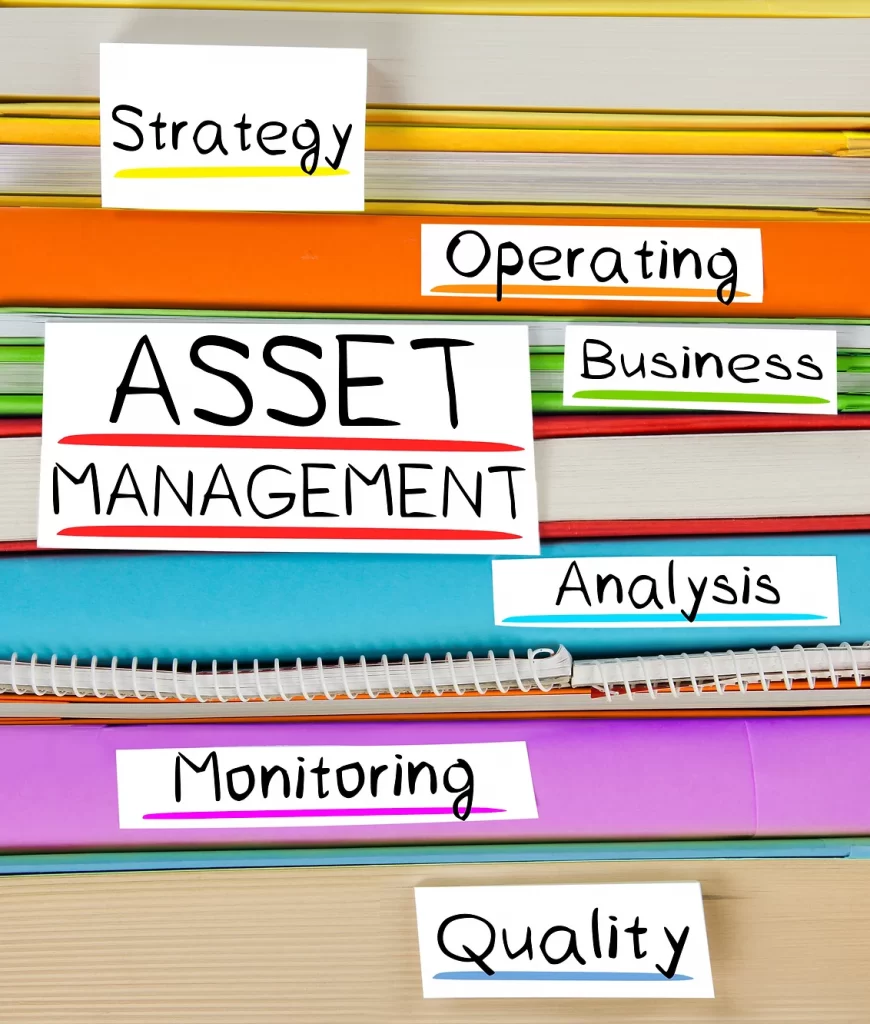
Challenges of Managing a Portfolio

Real estate portfolios are often identified as the largest part of a company’s financial statement, specifically when owning and operating real estate is your business. Identifying opportunities to capitalize on investments is critical to maintaining a positive cash flow. However, like many investment strategies, there are challenges that must be assessed, reviewed, and overcome on a regular basis. Understanding the primary challenges that exist can assist an asset manager in creating a strategic approach to managing their commercial real estate portfolio.

Diversification in Assets

Each property type provides both advantages and disadvantages. For example, multifamily assets can prove to be at risk for vacancy and possibly negative cash flow, though their return can be higher than average. On the contrary, single tenant CRE properties such as a bank can provide stability yet a low return. A great asset manager knows that identifying and maintaining a balanced portfolio requires both risk assessment and market analysis. Incorrectly conducting either of these can create financial upset for the portfolio.

Investment Strategy

Taking into consideration a diverse portfolio paired with the ever-changing dynamics of the market presents a new challenge: determining an investment strategy to match your company’s goals. Not every investment strategy is the same. Some investors and companies may be seeking a high-risk portfolio, bringing them the highest return available in the market. Others may be long term investors, strategizing for the future.

Either way, there are three steps that must be continuously monitored to ensure that a portfolio is meeting benchmarks; this includes review of investment opportunities both current and future, analysis, and due diligence. It is important that your portfolio is constantly monitored in order to meet your current objectives. Real time market research can be time consuming, but vital to this strategic planning. Additionally, asset managers should be implementing growth strategies while understanding the needs of the company and/or investors, which is the key to continuously meeting their investment goals.

Regulations and Legal

With diversification comes a complex infrastructure of operational and financial documentation. Each asset in each market will have a specific set of city, county, and state regulations that may differ. Some companies will staff legal counsel to assist with this complex, changing system; however, this approach brings an entirely new challenge to the table – cost. At some point it may be necessary to hire an expensive, but knowledgeable and efficient team of attorneys, entitlements specialists, and 3rd party consultants rather than relying solely on administrative assistants to handle the complicated regulations.

Financial

The variation and size of a company’s portfolio directly impacts the challenges related to managing the financial aspect of the real estate. An effective asset manager will ensure proper management of their portfolios. They will be able to provide in-depth financial analysis, which includes an assessment of the P&L statements for all assets. For single tenant NNN assets, this can be as simple as deducting the loan from the income. However, for assets that require improvement and management, such as retail centers or apartment complexes, this balance sheet can become more intricate and complex.

Financial challenges also go beyond the numbers to evaluating the structure and workflow of the personnel and management. Inefficiency and ineffective employees can be the cause of financial loss to a portfolio, just as severely as a tenant not paying rent can. Wasted money needs to be identified and new tactics must be developed for growth.

The Truth: It Comes Down to the Team

Each identified challenge related to managing a portfolio can be broken down to one crucial component: the team supporting the portfolio. Real estate is not only a numbers game. It takes a team of qualified, knowledgeable, and hard-working individuals to ensure an optimal future for each identified portfolio.

From administrative support to hands-on property managers, all members of the team are an essential part of the future, and it is up to the asset manager to perpetuate a corporate culture that promotes teamwork, responsibility, and growth.

If you are an individual that feels like you have the skills to help an investor or company overcome their challenges with managing their portfolio, you can review open job opportunities here.

On the contrary, if you are a commercial real estate investor or company looking to expand your team, including seeking a new effective asset manager, working with Building Careers can help you expedite the process. Finding a team that can work together to overcome problems presented on all aspects while being cost effective is fundamental. However, finding this team of skilled and experienced applicants in itself can be time consuming and overwhelming. We can help.

Challenges of Managing a Portfolio Read More »

Skip to content