High-profile commercial real estate projects scheduled to open for business in 2016 include mixed-use and residential skyscrapers in China, India and South Korea as well as Apple’s futuristic “spaceship” campus in Cupertino, California. These projects and more are featured in the JLL “Real Views” infographic below.
See the eight most notable 2016 deliveries below:
Agora Garden, Taiwan
World One Tower, India
Lotte World Tower, South Korea
Hotel Cresent, Azerbaijan
CTF Finance Centre, China
Dawang Mountain Resort, China
Ping an International Finance Centre, China
Apple Headquarters, U.S.
Take a look at the high-profile projects which are set to become new landmarks for their cities in 2016.
Downtown San Diego currently has 63 real estate projects underway that are expected to be completed within the next four years. Ultimately, this will mean more jobs, residents, and excitement in the downtown market. In the meantime many of the investors, developers, operators, and contractors involved in these developments are hiring
Take a look at these exciting career opportunities and become a part of these growing companies today.
The 3M SF Navy Broadway Complex redevelopment will dramatically change San Diego’s marina landscape, with an anticipated delivery date in 2019. It is exciting to be in a city that is growing to the point where the city can absorb such a significant redevelopment.
This approval will bring a significant amount of jobs to the region, not just in the next few years while the project is underway, but in the commercial office and retail space that is produced. Keep your eye on San Diego as America’s Finest City continues to grow.
Read more about it here: Civic San Diego Approves the Navy Broadway Redevelopment
Originally published by Lou Hirsh in the San Diego Business Journal on December 11, 2015.
Interesting insight into the US’s economic future at NAIOP San Diego’s economic breakfast. Knowing what may be coming down the pike in a few years can help you make smarter business decisions now. Get the right people in place now to carry your company into the future.
Dr. Alan Beaulieu warns of a slight recession in 2019 and a larger depression 15 years from now. However, his message was not all gloom and doom. He highlighted all of the opportunities there are to prosper in down economies if you keep your eyes out for arbitrage situations and position yourself and your company accordingly. Read the summary of Dr. Alan Beaulieu’s presentation here: Economic Forecast.
Originally published by Carrie Rossenfeld in Globe Street on November 24, 2015.
Industry experts have opinions across the board on where the industry is and where is it going. The facts are that the commercial real estate market is hot and companies are scrambling to get a piece of it. The market is conducive to development, value-add, and really creating communities through their investments. Companies are capitalizing on this revitalization through diversification and smart asset management.
From a recruiter’s perspective, talent is getting swooped up left and right as companies continue to grow. Right now is a very exciting time to be involved in the industry.
Check out some future predictions from former NFL star turned real estate investor, Emmitt Smith. https://lnkd.in/by8F8Rn
Originally published in GlobeSt.com by John Salustri on October 15, 2015
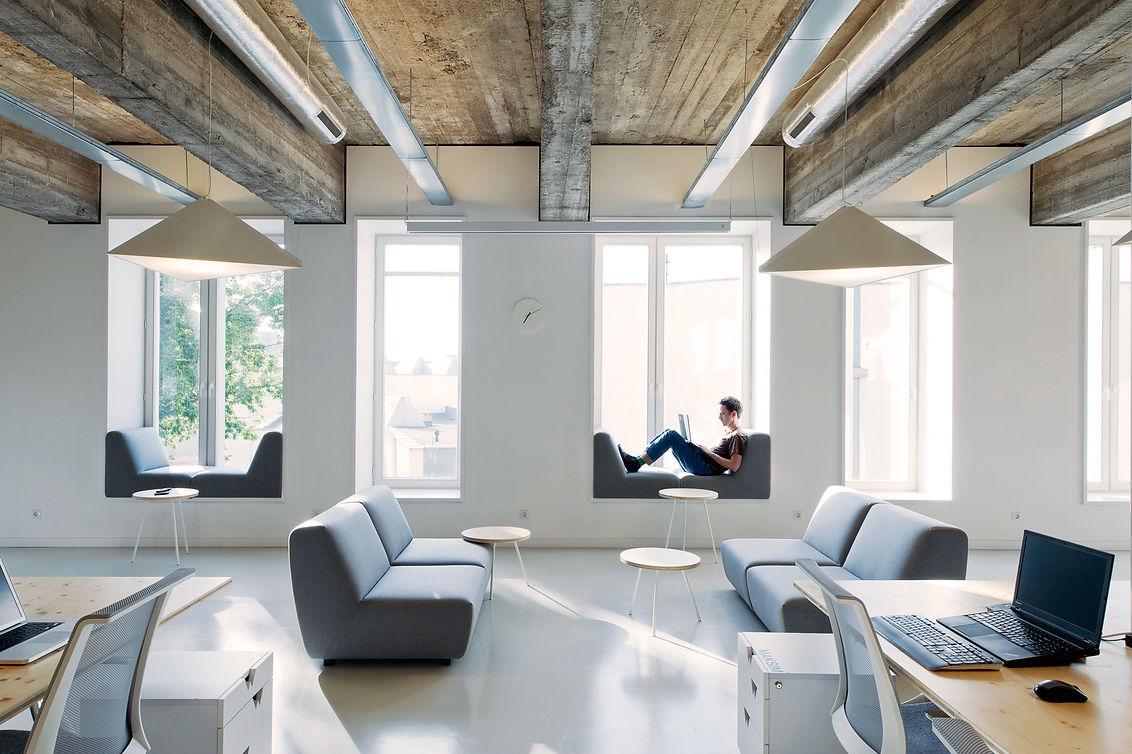
Here are the Top 10 Coolest Offices in the World according to Inc.
Airbnb, San Francisco. Each conference room at the company’s newly expanded, 107,000-square-foot San Francisco office is decorated to resemble an actual Airbnb listing. The company’s new space in the 96-year-old former warehouse building also provides employees with more opportunities for small meetings and better acoustics within an open office setting.
Bluecore, New York. Workers at this email marketing startup can enjoy the view from a tiny “eagle’s nest” overlooking a high-ceilinged lobby and meeting area. The office is set in a three-story Lower Manhattan building that was used as a liquor storeroom during Prohibition.
Ekimetrics, Paris. The marketing and consulting firm occupies 10,000 square feet in a classic office building on the Champs Elysees. Three freestanding wooden structures crafted of unfinished timber serve as a boardroom, a two-person office and a gallery — and provide a dramatic contrast to the “chandelier-adorned and gilded open office block.”
Kickstarter, New York. The crowdfunding company’s headquarters, located in a former pencil factory in Brooklyn’s Greenpoint neighborhood, has a sustainable focus, with plenty of natural light and recycled or reused materials. The 29,000-square-foot office’s three floors are centered around an open-air courtyard, a second-floor garden and a rooftop deck.
iHeartMedia, New York. Formerly known as Clear Channel Communications, this company moved its headquarters from San Antonio to what was once a satellite office. The 75,000-square-foot futuristic, mostly grey-and-white open plan space features colorful freestanding pods that serve as conference rooms and a kitchen.
SoundCloud, Berlin. The audio platform company’s approximately 200 employees enjoy 16 mini conference rooms named after neighborhoods in San Francisco, London and Berlin, as well as an indoor garden, a cafe and small “nap pods.” The 17,000-square-foot office overlooks the Berlin Wall Memorial and has a minimalist, industrial feel.
Harry’s, New York. The men’s razor startup retailer partnered with furniture designer Herman Miller to create a collaborative, flexible work environment in its 26,000-square-foot space, with sit-stand desks, movable walls and conference rooms named after the colors of the company’s razor handles.
Salt Co-working, Yekaterinburg, Russia. When small teams began dominating the common spaces in this coworking center, Salt added mini offices by installing sliding doors off a main corridor. The space also includes a recreation zone, a kitchen, a coat room and showers.
Warner Music UK, London. Dubbed HQ Music House, the 67,000-square-foot headquarters, which consolidated six offices, has a huge central atrium that gives every floor a view of the office’s cafe area. Edison light bulbs hung together with old-school microphones, black window frames and black-stained timber floors create a “subtle rocker vibe.”
Atlas Holdings, Greenwich, Connecticut. The hedge fund office, designed by the same firm that created Google’s New York offices, features a “floating” conference room that hangs above a communal kitchen and cafe area, as well as smaller, private spaces.
Originally published by Christine Lagorio-Chafkin in Inc.
This article is timely as a lot of the conversations that I have had with job seekers lately stem from frustration around the gap between San Diego’s cost of living and salaries that companies are offering. Even more interesting is the salary gap between the San Diego market and our Orange County neighbors to the north. Depending on the position, salaries in Orange County can range up to 30-40% more than what employers are willing to pay in San Diego where the cost of living is arguably on the same level. It seems as though local companies are stuck in 2009 target salary ranges even though there are signs that our economy is heading the right direction. Just look around at the amount of development, redevelopment, and real estate transactions taking place in our own San Diego backyard.
The high scores that San Diego received regarding taxes and electric bills were slightly surprising, but with the cost of living so high, it makes sense that San Diegans are great budgeters.
Not much else on this list of what makes San Diego a desirable city to live in should shock you. The culture, amenities, access to healthy food and outdoor activities, not to mention the beach, all make for a city that has seen a massive influx of people in the recent years. The abundance of young people perpetuate the city’s energy, and there is never a shortage of new restaurants or breweries to explore.
A newly published Commercial Real Estate Survey and Index has been published with the goal of better predicting future California commercial rental rates and vacancy rates.
Senior economist with the UCLA Anderson Forecast Jerry Nickelsburg says continued optimism is supported by job and income growth and a lack of sufficient building supply. While the outlook remains positive through 2018 with no weakening in occupancy rates, he does caution, however, that some panelists are concerned about the next stage of the commercial real estate building cycle.
Overall, available financing, low cap rates, an increasingly high demand from tech, advertising, media and information companies, and a shortage of multifamily housing have helped sparked the industry boom.
by Carrie Rosenfeld in GlobeSt.com with CBRE’s SVP Matt Carlson
“GlobeSt.com: What is driving current Downtown San Diego activity?
Carlson: The first thing is, on a more global scale, all the new and exciting projects delivering or getting ready to deliver Downtown. There’s a ton of residential being delivered—almost 6,000 units are coming online in the next five years. There are a couple of big holes in the ground—the East Village has the Pendry Hotel going in, a four-star version of the Montage, and cranes are starting to come out; on the west side, the Broadway area, Bosa has a high-end residential tower going in that’s going to be one of the top residential towers on the entire West Coast; and you’ve got the office market itself—all the office tenants looking at Downtown and all the fun people are having…
Ten years ago, offices were located where the CEO or partners lived and where it’s most convenient for them. If you were at the top of the pyramid or organization, you called the shots about where the company would be. But we are in an age of war for talent, particularly with these fast-growth tech companies. Their resources are in the employee—you get the edge from having the best talent. It’s really shifted. The last cycle, the person who ran the real estate wasn’t in the C suite—now that person is in the C suite because they’re driving the culture for the whole company.”
The commercial real estate industry is booming again. Many employees who hunkered down in their uninspiring positions during the recession
are finally feeling comfortable enough to look for the next meaningful step in their career. Yes, this even applies to the more mature, set-in-their-ways, approaching-retirement talent. The “do what you love” movement makes even the most conservative commercial real estate industry veterans step back and ask themselves, “What do I want to be when I grow up?”
If it has been a while since you last interacted with the job market, I offer you my top five tips for navigating the current interview and job search scene.
• Invest time to discover your dream career: Whether it be dedicating an hour a week to perusing job sites and job descriptions, setting up a career-focused lunch with a trusted colleague, or taking a three-month break from the real world to live your own version of “Eat, Pray, Love” at a meditation retreat in a foreign country, make time to focus on figuring out where you would ultimately like to be in your career.
Once you have decided what career would motivate you to jump out of bed every day, set incremental short-term goals to achieve that desired career. These goals might include taking graduate classes, attending a specific CREW event on a relevant topic, or meeting someone currently working in your desired position who can point you in the right direction.
Setting aside time for career soul-searching and subsequently setting measurable goals to get to your ideal career will be exponentially more rewarding for you, your family, and future company and colleagues.
• Worry less about work gaps: Employers in this day and age realize that even the best employees may have been affected by economic factors outside of their control. Candidates who take the time to try to start their own venture or discover the world show tremendous initiative and curiosity that employers respect and admire, even if it means periods of unemployment on a resume.
• Research your ideal companies and yourself: Google yourself and see what comes up because you can be sure employers are doing the same thing.
In order to promote positive pieces as the first things employers see when they search your name, create your own content through articles and blogs, customize your LinkedIn domain name or create a personal page to showcase your talents.
Make sure your LinkedIn profile is complete and up to date. This includes asking former co-workers and clients for public feedback on your performance.
The Society for Human Resource Management indicates that the cost of hiring the wrong candidate can be anywhere from 50 to 60 percent of that employee’s annual salary. To avoid making this costly mistake, companies are turning more to references and LinkedIn recommendations to validate their hiring choices.
In that same vein, research the person you are going to meet before you meet them. This will give you clues as to what causes the person is passionate about and what they like doing in their spare time. Find some common ground to start the conversation off on the right foot.
LinkedIn is also a wealth of information, but you may want to make your searches private so your interviewers don’t see you habitually checking their profiles. I do not suggest requesting to connect with your interviewers on social media platforms until after you accept the job with their company.
• Dress professionally: Whether your dream job interview takes place in a coffee shop or in the corner office of a downtown high-rise, always present your best self. I cannot tell you how many candidates I have dealt with who are extremely qualified, but carry themselves in a way that causes future employers to see them as someone who would be detrimental to the hiring company’s image as a whole.
It is always better to be overdressed. Peruse company material and photos of their executive team on their website to determine the appropriate attire. If the company you are interested in is a construction company and the website is full of casual pictures, then you are probably safe with dress pants and a jacket or a nice professional dress. In most cases, the old conventions of wearing a suit or professional outfit to an interview still apply.
• Send a written thank-you note: The art of the thank-you note seems to have gotten lost over the past 10 to 15 years with the rise of the Internet. Regardless of the context of the meeting, the person on the other side of the table consciously took time out of their day to spend with you, so express your appreciation with a thank you message within 24 hours.
If you are very interested in the position or gleaned valuable information from the discussion, go one step further and send a written note to really stand out.
The most important part of getting your dream job is conveying your passion for the position in a consistent message through your personal brand and value proposition. This can be done online, through social media or, most importantly, in person through your interviews and other meetings.
Glova is president and executive recruiter of Building Careers, LLC, a San Diego-based commercial real estate recruiting solution. Glova has served on CREW (Commercial Real Estate Women) committees and is a former board member. She can be reached at CGlova@BuildingRECareers.com.